For over 40 years, the Taub Center has provided decision-makers with reliable, evidence-based research on socioeconomic issues critical to Israel's future.
Scroll to explore
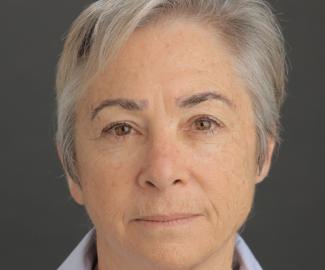
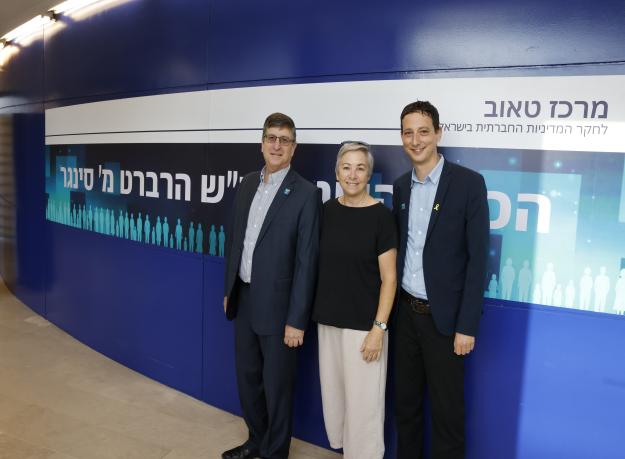
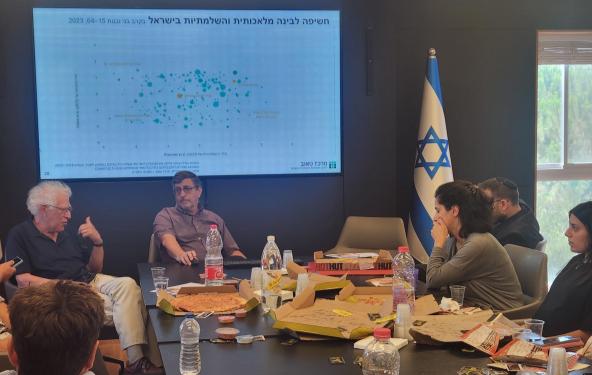
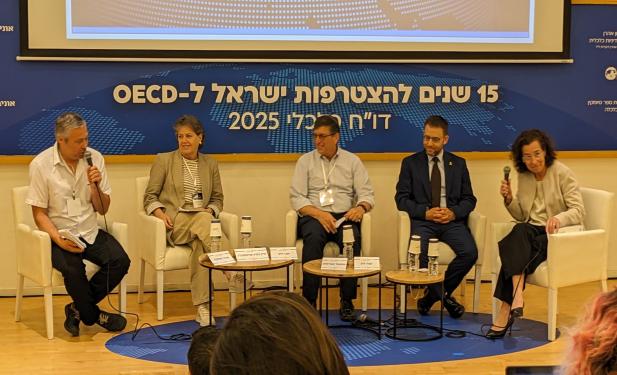
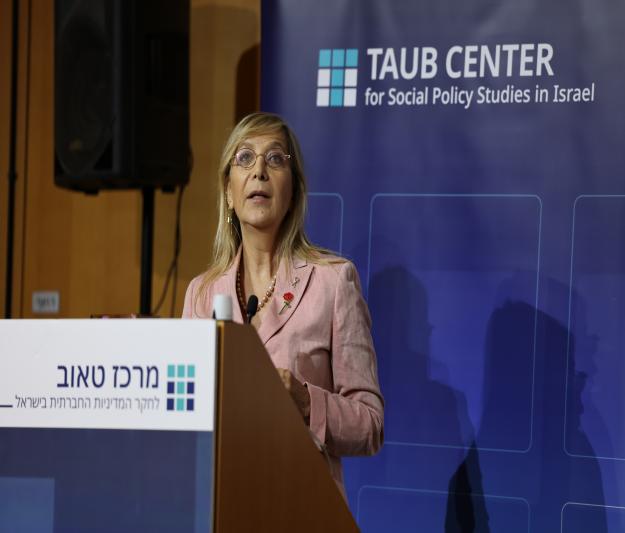
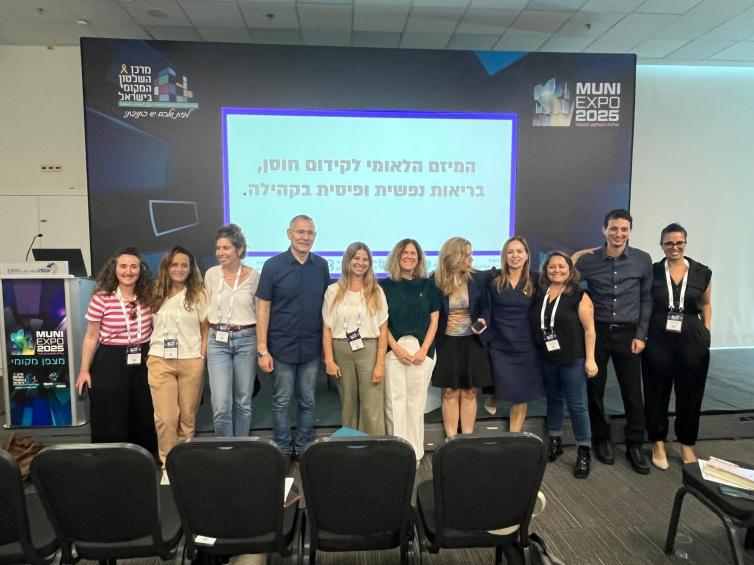
Taub Center Leadership, Avi Weiss, Miri Eisin, Nir Kaidar, at the Herbert M. Singer Conference
The Taub Center for Social Policy Studies in Israel is an independent, non-partisan research institute dedicated to understanding the forces shaping Israeli society—especially in times of crisis and renewal, when rigorous, independent research matters most.
Based in Jerusalem, we conduct high-quality socioeconomic research with a clear focus on Israel's most pressing challenges and long-term resilience. Our work is designed not only to inform, but to matter: to support decision-makers, enrich public debate, and translate data into practical, equitable policy options.
Our 2025 Impact Report reflects that mission, tracing how research moves from analysis to action and how evidence-based insights help shape policy, public discourse, and Israel's path forward.
Over the past year, our research helped shape national policy across several key areas, including:
The Ministry of Health signed regulations to add magnesium to drinking water and launched a pilot at the Ma'agan Michael desalination facility.
Heat-stress labor regulations were updated based on 2023 State of the Nation Report (SNR) data.
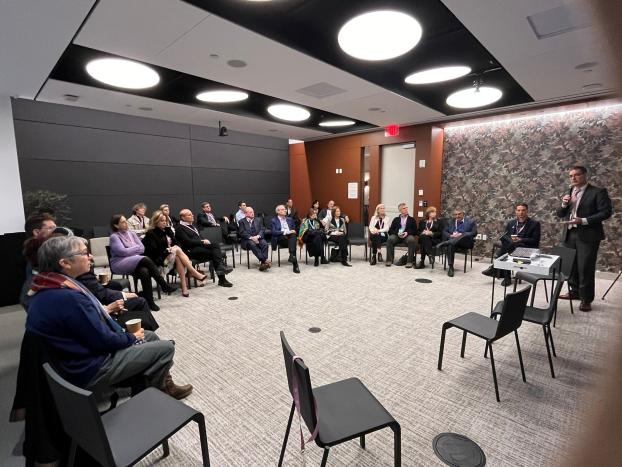
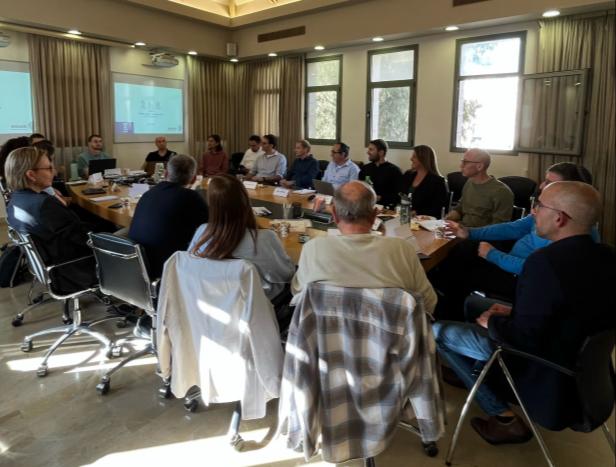
The Ministry of Education adopted the Shapira Committee's recommendations to reduce class sizes and strengthen inclusion for students with special needs.
The Ministry of Welfare recognized the need for focused services for midlife (ages 50–64) and established a committee on cost-sharing for welfare services.
The Ministry of Health established a committee to review competition among health funds.
Our research and broad public engagement put Israel's most pressing social issues at the forefront of national discourse.
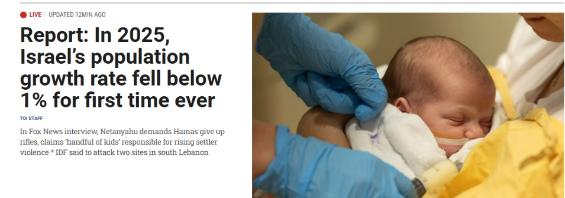
Sharpened public understanding of how Israel's unique demographic profile affects its long-term economic outlook.
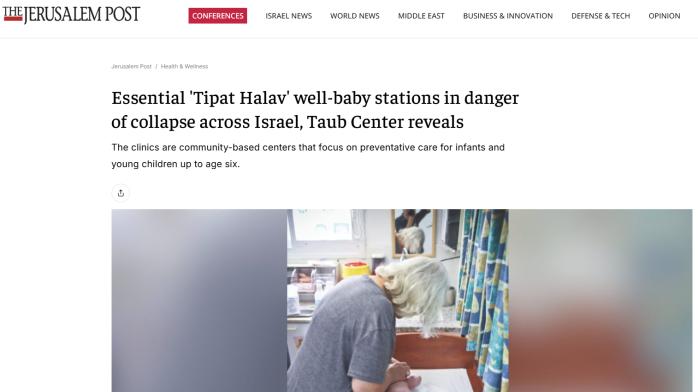
Brought national attention to systemic strains in Israel's well-baby clinics, sparking discussion around access, staffing, and equity.
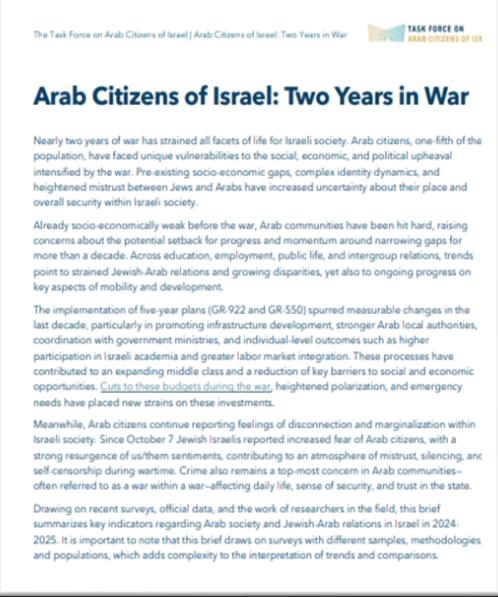
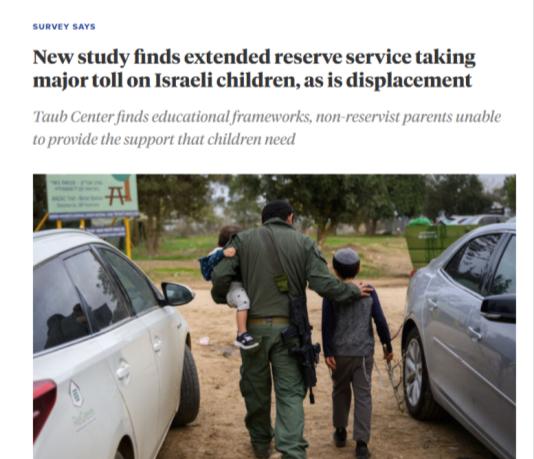
Elevated public awareness of the war's effects on young children, including developmental risks, service gaps, and the need for early intervention.
Through joint work with the National Council for Child Welfare, shaped conversation on consumer safety and the importance of regulation for infant products.
Over the course of the year, the Taub Center published 26 research studies, spanning all major social and economic domains, including:
Tracked the impact of prolonged crisis on young children and families, alongside mounting pressures on early-childhood services.
Identified equity gaps and structural drivers shaping student outcomes across Israel's education system.
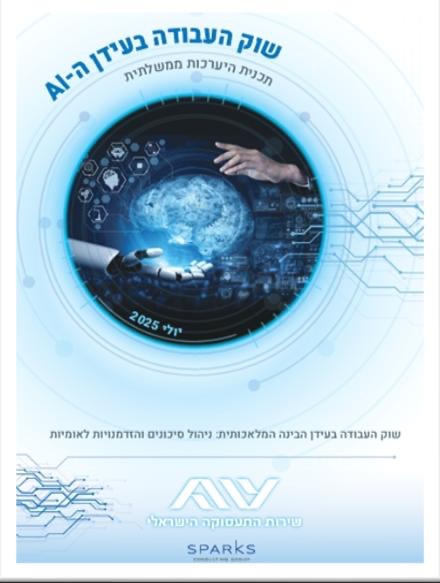
Mapped how war and AI are reshaping employment, exposing widening sectoral, regional, and social disparities.
Documented unprecedented demand for welfare services and informed policy responses to long-term recovery needs.
Analyzed pressures on the healthcare system, including underinvestment, workforce and infrastructure gaps, persistent inequities, and weaknesses in preventive care.
Highlighted growing strain on environmental systems and their impact on public health, intensified by wartime disruption and climate risks.
Long-term demographic research informing evidence-based social policy in Israel.
Provided a comprehensive snapshot of Israel's post-war economy, balancing resilience with persistent structural challenges.
Taub Center research was widely cited in official publications and policy discussions, reflecting its role as a trusted source of evidence-based analysis.
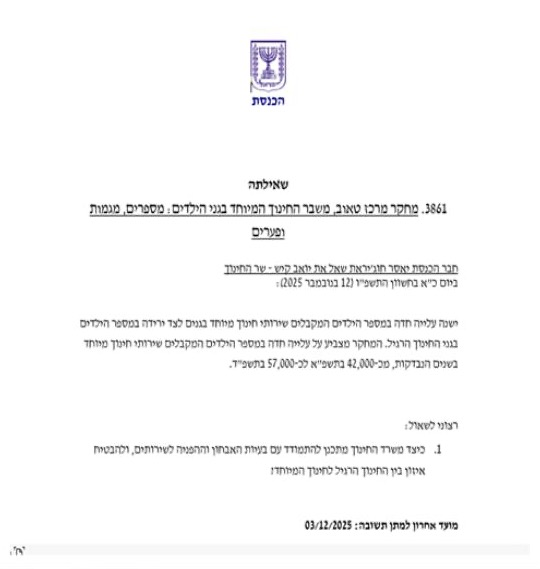
Knesset members and staff drew on our research to inform debates, legislative initiatives, and oversight of government activity.
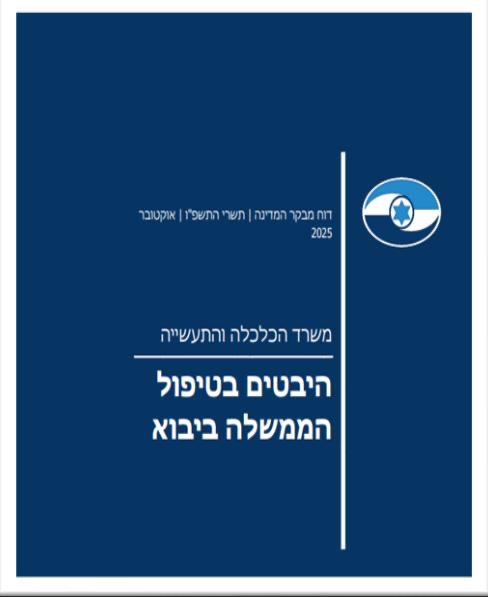
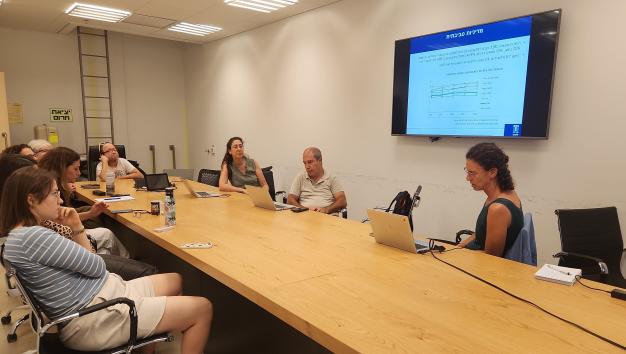
Ministries used our data and analyses for policy briefings and targeted discussions to support strategic planning and policy development.
Researchers and public organizations used our findings as a basis for research papers, policy position statements, and needs assessments.
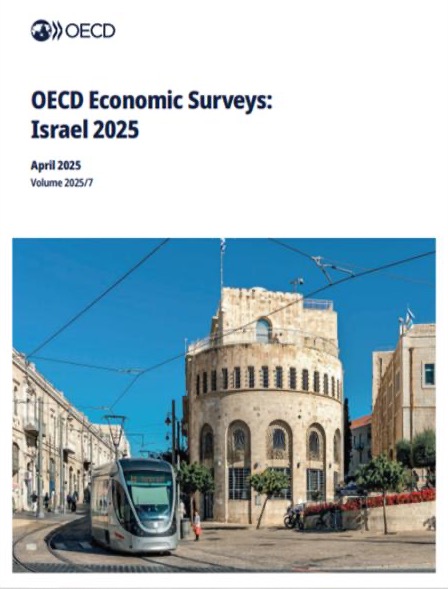
Our research was cited in official publications by the Knesset, OECD, State Comptroller, and government ministries.


Taub Center researchers played an active role in public committees, often at the request of government ministers, reflecting the trust placed in the Center's approach. The committees listed below represent a selection of the forums in which we contribute critical insights that help shape national policy.
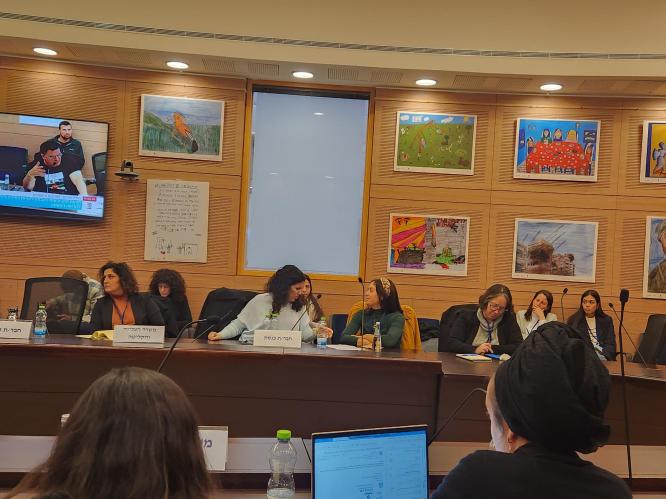
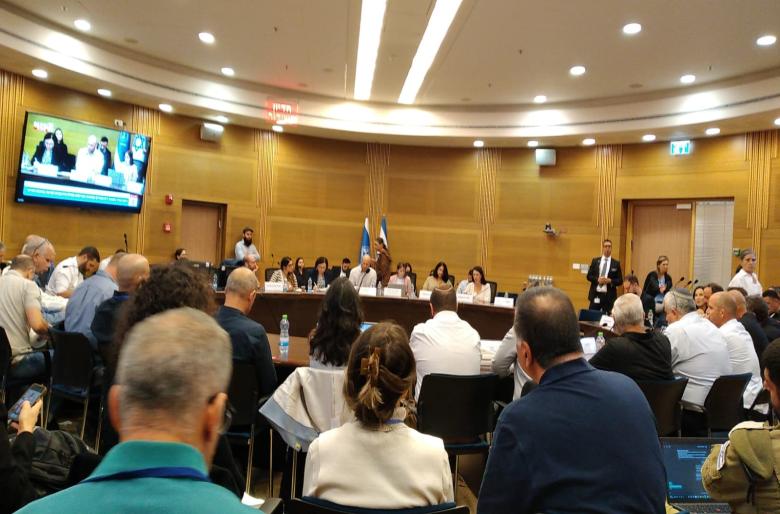
Over the course of the year, our researchers participated in many Knesset committees and discussions, presenting key findings and outlining policy alternatives to ensure that important decisions would be grounded in evidence.
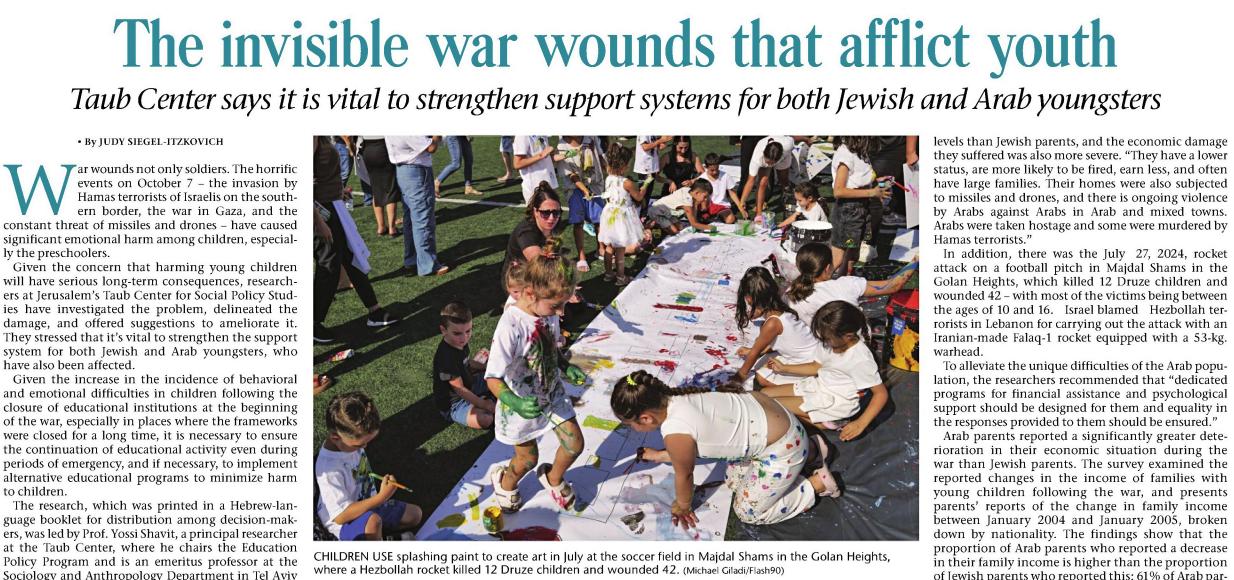
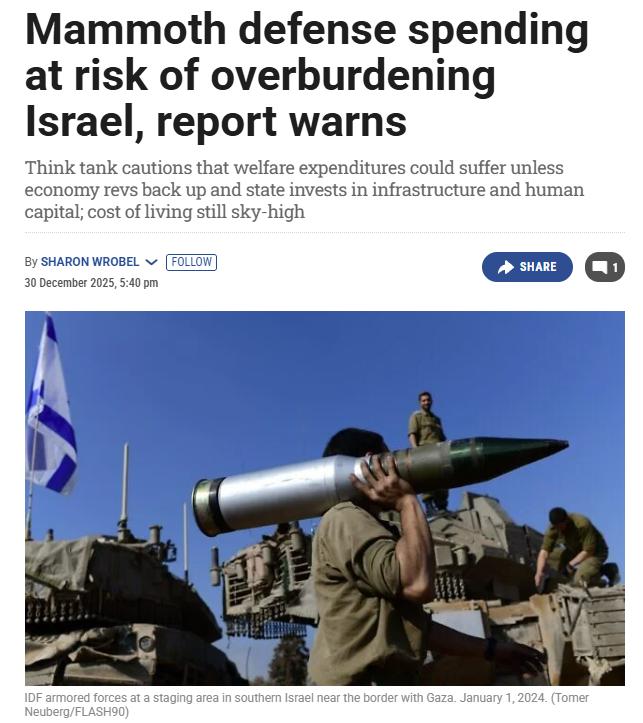
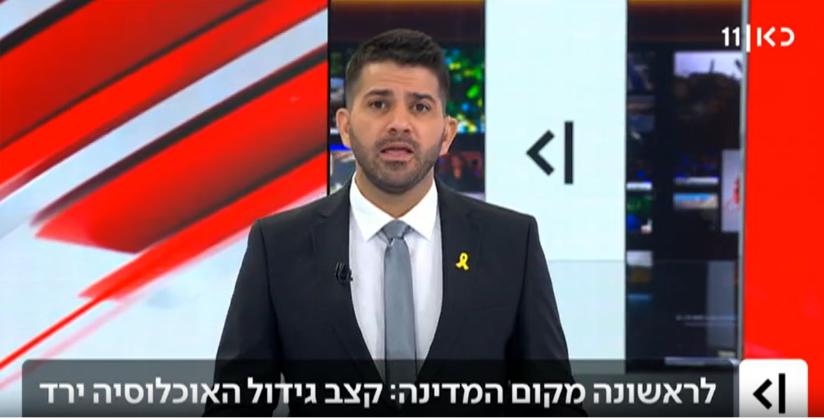
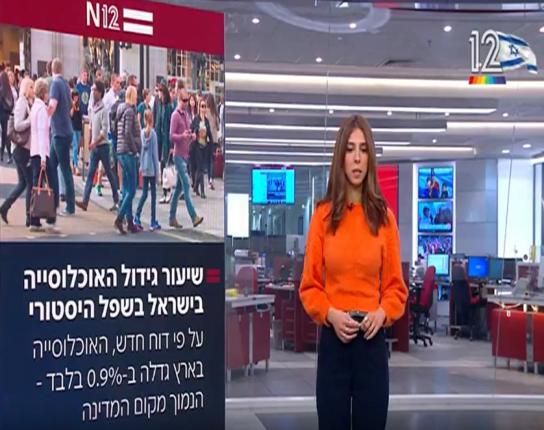
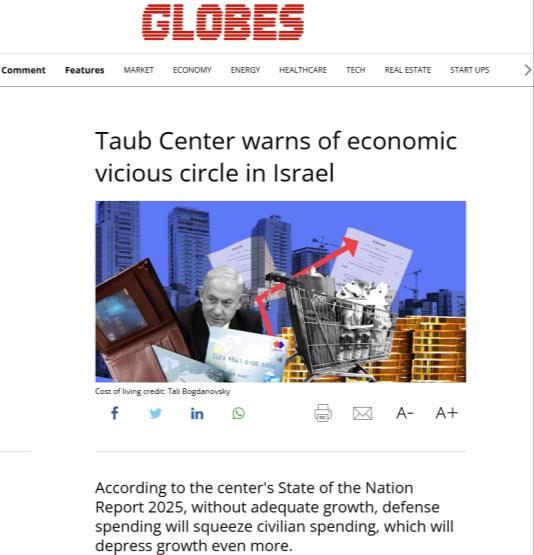
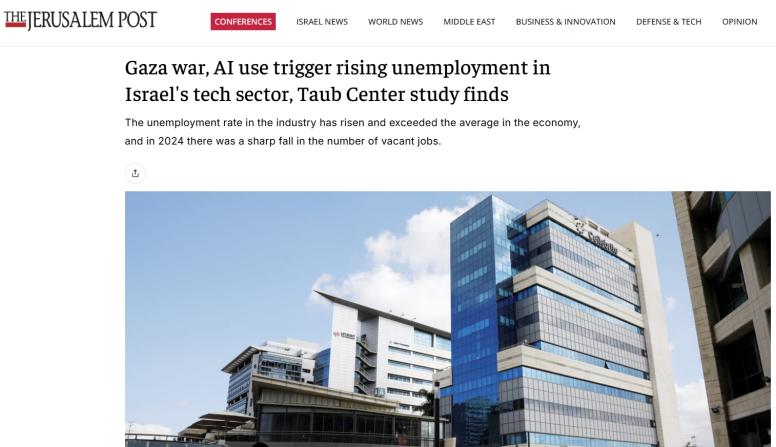
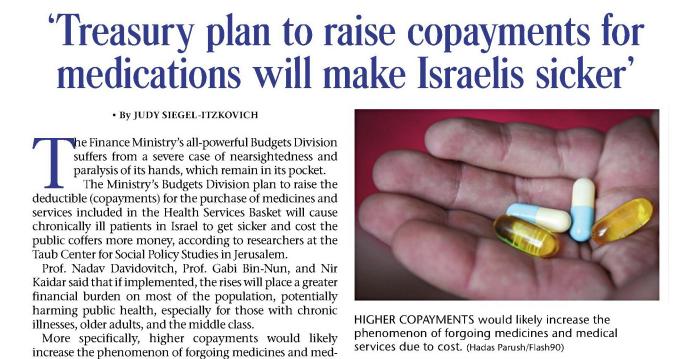
A selection of newspaper articles, TV segments, and op-eds featuring Taub Center research.


We strengthened our ongoing relationships with strategic partners and key institutions, sharing data-driven research to inform policy discussions and support effective decision-making.
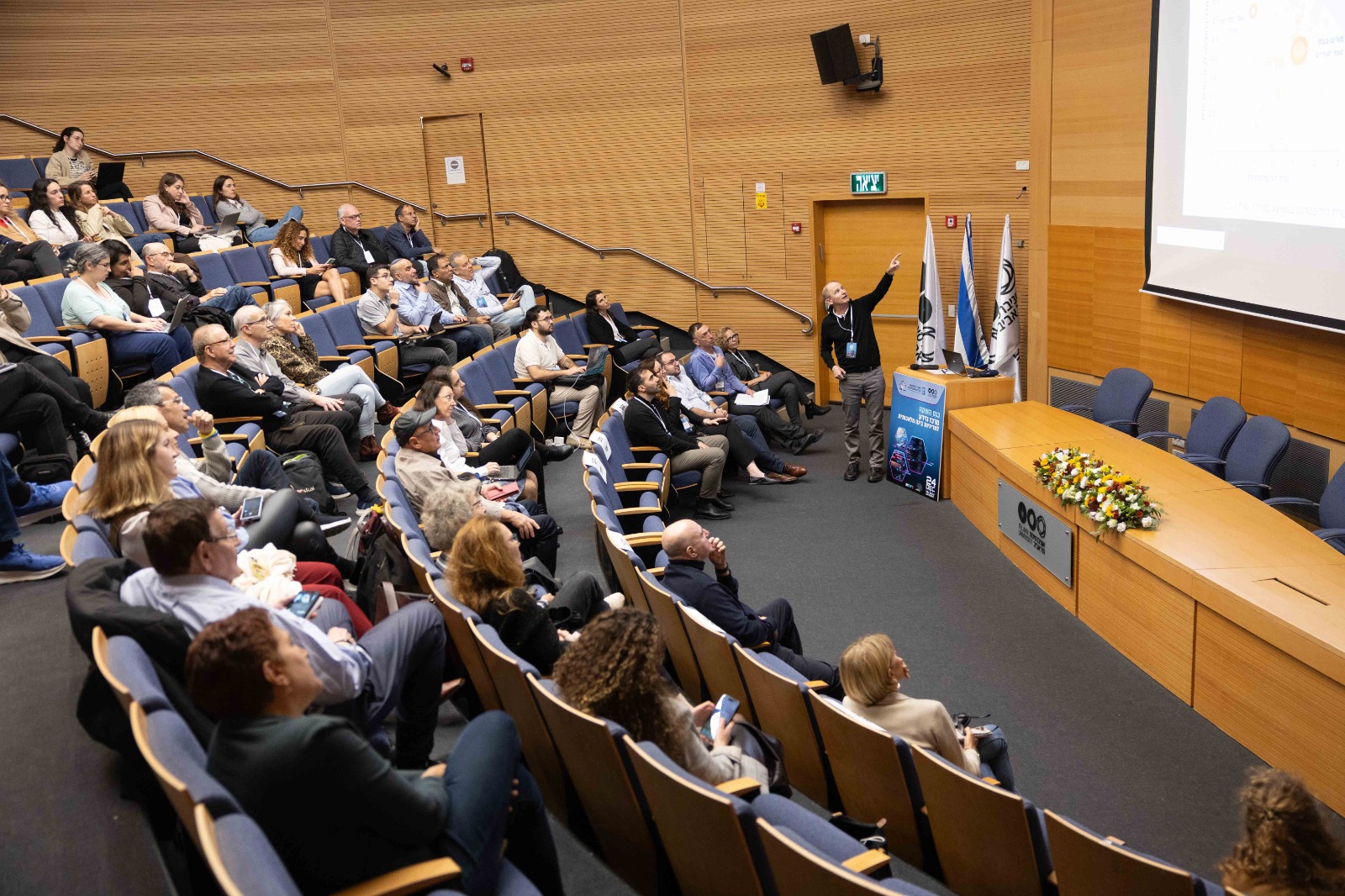
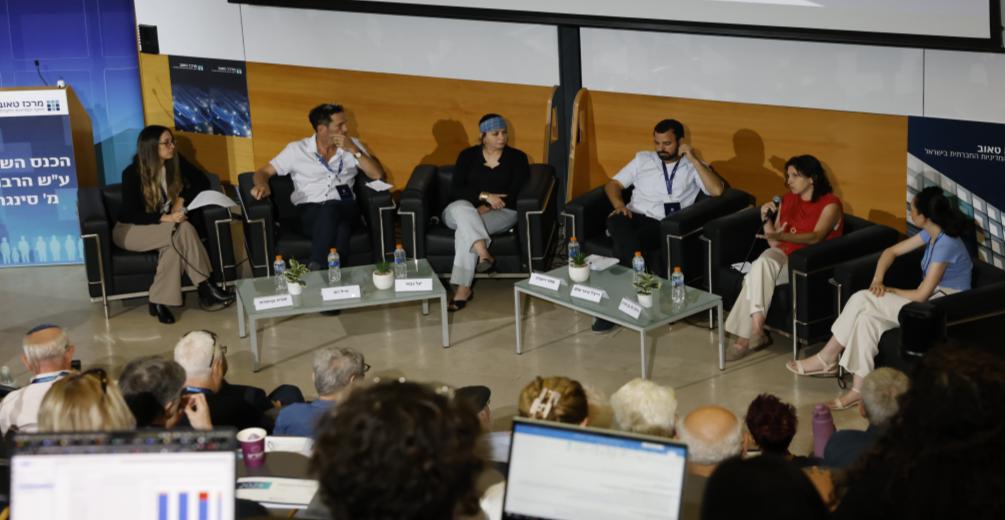
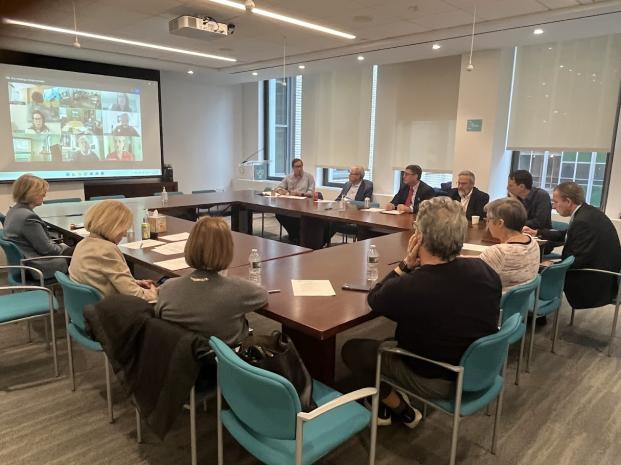
"Who Will Serve the Public? The Future of Israel's Public Service" — With over 100 participants, our annual international policy conference addressed the critical challenges facing the public service in Israel and sparked broad discussion around the workforce and governance crisis. Sessions were also shared online to broaden impact beyond the conference hall.


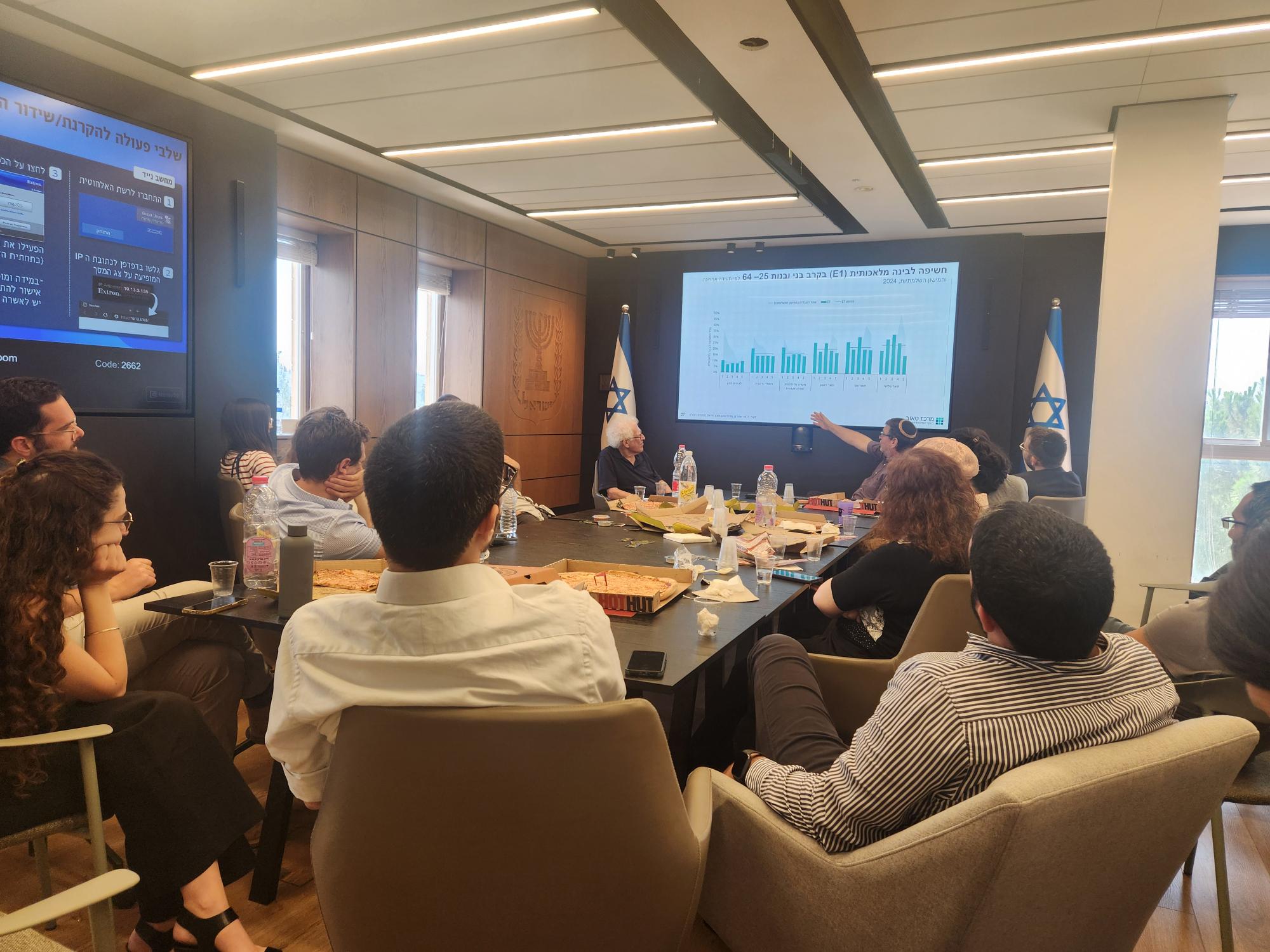
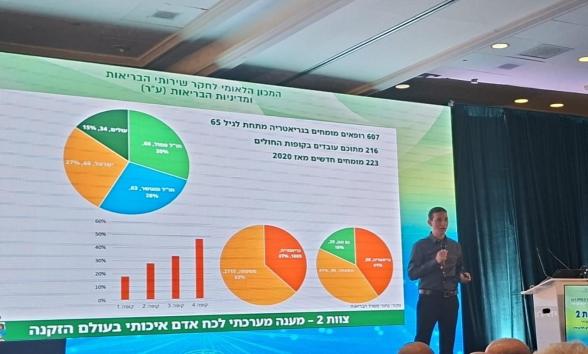
Over the course of the year, our researchers presented at many leading conferences in Israel and abroad, extending the reach of our research and contributing to professional and policy discourse.
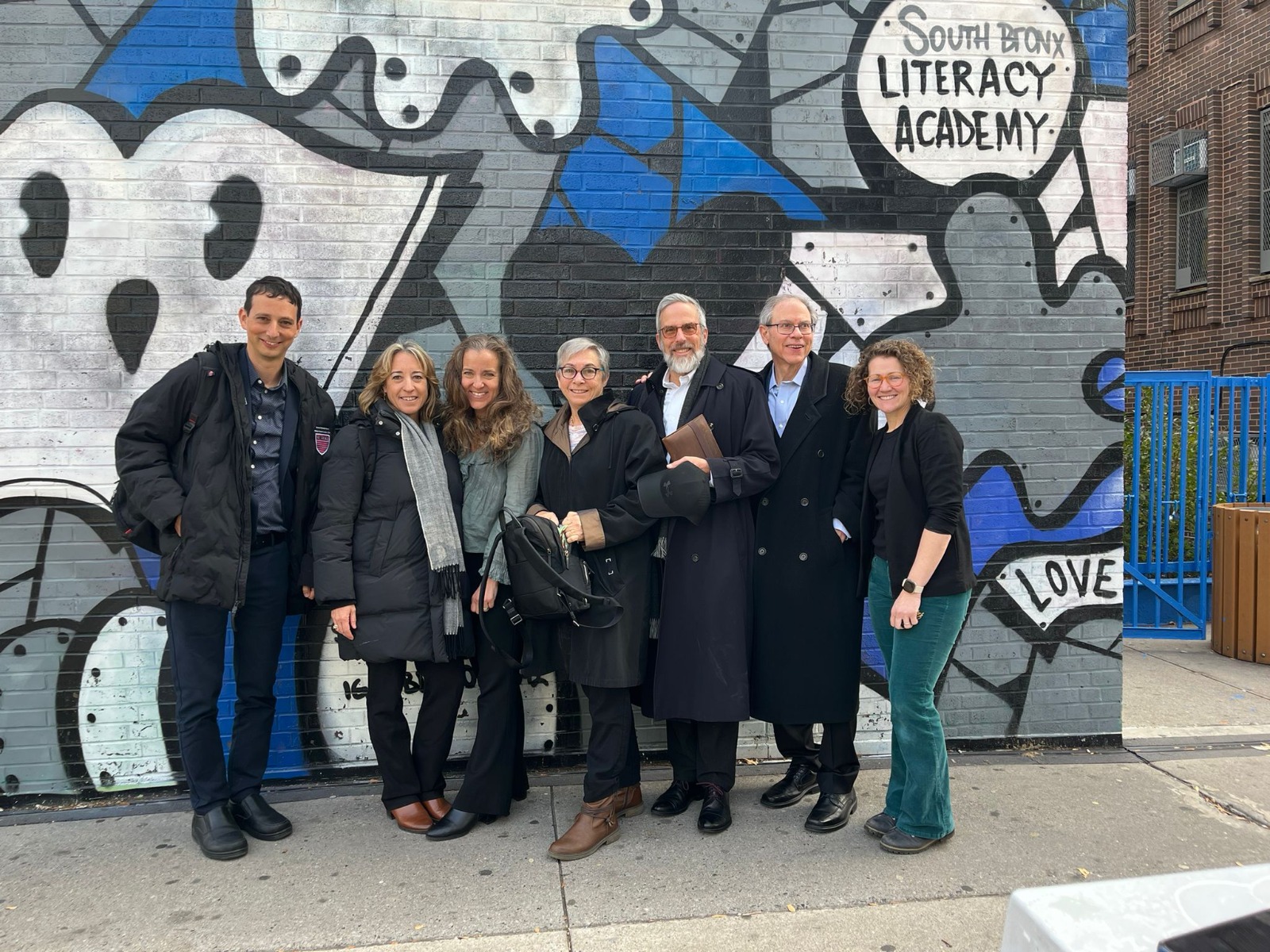
Our staff collaborated with civil society and philanthropic partners in Israel and abroad through meetings and lectures, helping disseminate research findings and ensure insights were applied across sectors.
To maintain its independence, the Taub Center does not receive government funding or sell services, and is supported instead by philanthropic partners, Board members, and individual donors who believe in the mission and impact of our work.
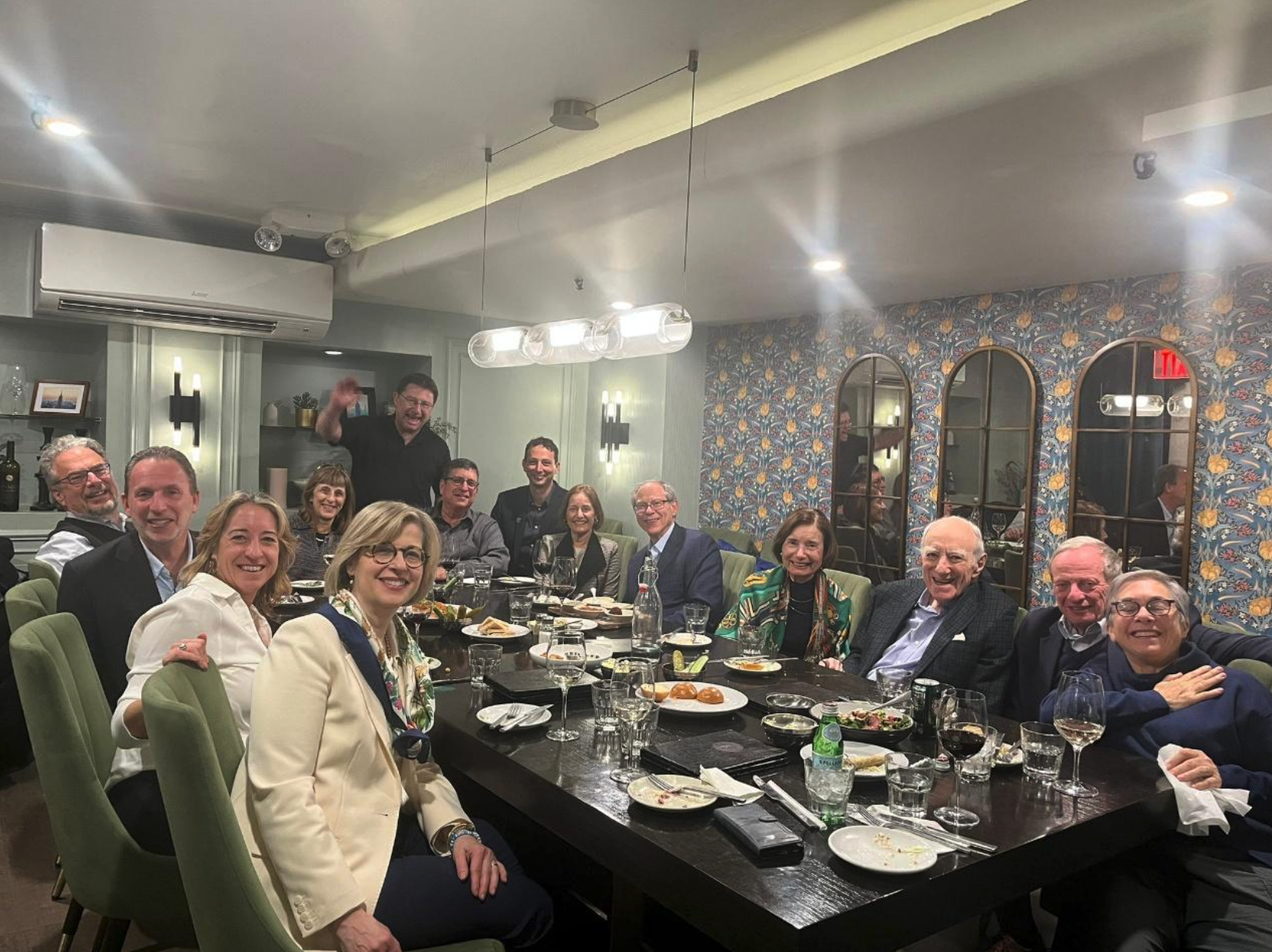
We are deeply grateful to our philanthropic partners, whose commitment—especially during this period of uncertainty—enables independent, data-driven research with real impact on Israeli society.
To preserve its independence, the Taub Center does not accept government funding or commissioned work. Its work is made possible by its endowment, a deeply committed Board of Directors, philanthropic partnerships, and individual donors. We are sincerely grateful for their continued support.
For a complete list of our staff and researchers, visit our website.